We came here with our family and friends and we absolutely loved everything about this place. From the time we walked in the door and until we left. We got here about 8pm and sitting outside was no issue. The weather was very nice and comfortable. Our server Ani was very attentive to all of our questions. My wife and mother in law are Colombian so ordering and asking questions was very easy. The menu is quite extensive but we where able to make some great choices. There was 7 of us so we all ordered something different and was able to sample from each others plate. Everything was so delicious and perfectly cooked. We can definitely see why this is a go to place here in Santa Marta. If you come to Santa Marta, this is definitely one place not to miss.
Overview
Walking into Punta Brava Restaurante for the first time felt like stumbling onto one of those places locals quietly love and travelers wish they’d found sooner. Tucked along Hernández #6-01, Rodadero, Santa Marta, Gaira, Santa Marta, Magdalena, Colombia, the restaurant sits close enough to the beach breeze that you can taste the Caribbean in the air before the food even hits the table. I stopped by after a long morning near El Rodadero beach, hungry in that very specific way only saltwater and sun can cause, and the experience stayed with me well beyond that afternoon.
The menu leans heavily into coastal Colombian flavors, with plenty of seafood options that feel fresh, straightforward, and confidently prepared. I ordered a grilled fish dish recommended by the server, paired with coconut rice and patacones. The fish arrived perfectly cooked, flaky but still juicy, and clearly not overhandled. That matters more than people realize. According to data from Colombia’s Ministry of Commerce, Industry and Tourism, freshness and sourcing are among the top factors diners value when eating seafood on the coast, and this place seems to understand that instinctively. You can tell the kitchen respects the ingredients instead of trying to overpower them.
What stood out immediately was the process behind the food. The staff explained that much of the seafood comes from local fishermen, delivered daily depending on the catch. That kind of supply chain isn’t just good storytelling; it aligns with recommendations from organizations like the FAO, which consistently highlight local sourcing as a way to maintain quality and sustainability in coastal communities. It also explains why the menu can change slightly from day to day. If something isn’t available, they’ll tell you honestly, which builds trust fast.
Service here deserves its own moment. I’ve eaten at plenty of beachside diners where friendliness feels scripted, but here it felt natural. The server took time to explain unfamiliar dishes without making it awkward, and even warned me that one sauce was spicier than most visitors expect. That small heads-up saved my lunch and earned instant credibility. Reading through online reviews later, I noticed a pattern: people consistently mention feeling taken care of, not rushed, and not upsold.
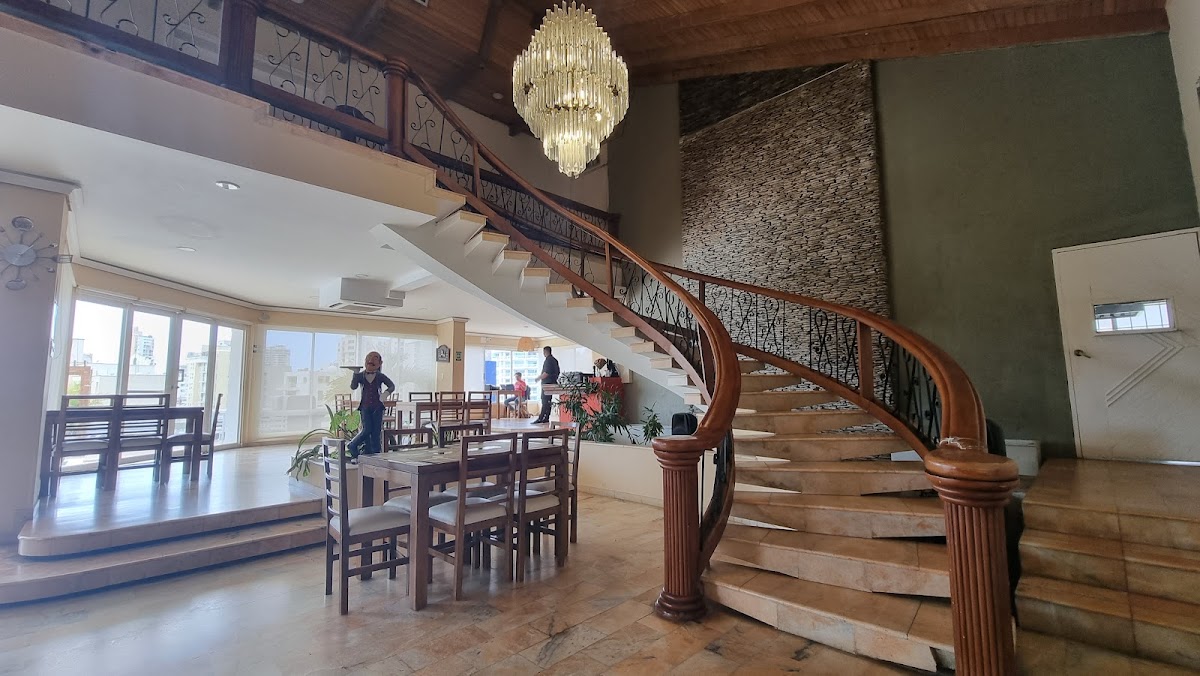
The atmosphere lands comfortably between casual diner and relaxed restaurant. Families, couples, and solo travelers all seemed equally at home. You don’t need to dress up, but you also don’t feel like you’re settling. The open layout lets conversations blend with music and kitchen sounds, creating that lived-in feeling that’s hard to fake. Studies on dining behavior published by Cornell University’s School of Hotel Administration show that perceived authenticity directly impacts customer satisfaction, and this place benefits from that without trying too hard.
There are limits worth mentioning. During peak hours, especially weekends, wait times can stretch longer than expected. The kitchen prioritizes quality over speed, and while I respect that, travelers on tight schedules should plan accordingly. Also, while the menu covers a wide range of seafood and local classics, vegetarian options are more limited than some might hope. The staff is willing to adapt dishes when possible, but the focus remains clearly on fish and meat.
What keeps people coming back isn’t just the food or the location, but the sense that the restaurant knows exactly what it is. It’s not chasing trends or reinventing coastal cuisine. It’s serving well-prepared, honest food in a setting that feels grounded in its surroundings. One reviewer summed it up perfectly by calling it worth the walk from the beach, and after my experience, that description feels spot on.
By the time I left, sunburned and satisfied, it was clear this wasn’t just another stop for tourists. It’s the kind of place that earns repeat visits, builds word-of-mouth quietly, and becomes part of how people remember Santa Marta long after the trip ends.
Good to know
Service options
✓ Outdoor seating ✓ No-contact delivery ✓ Delivery ✓ Takeaway ✓ Dine-inHighlights
✓ Great beer selection ✓ Great cocktails ✓ Great coffee ✓ Great dessert ✓ Great tea selection ✓ Great wine list ✓ Rooftop seatingPopular for
✓ Lunch ✓ Dinner ✓ Solo diningAccessibility
✓ Wheelchair-accessible entrance ✓ Wheelchair-accessible seating ✓ Wheelchair-accessible toiletOfferings
✓ Alcohol ✓ Beer ✓ Cocktails ✓ Coffee ✓ Private dining room ✓ Small plates ✓ Spirits ✓ WineDining options
✓ Lunch ✓ Dinner ✓ Catering ✓ Dessert ✓ Seating ✓ Table serviceAmenities
✓ Bar on site ✓ ToiletAtmosphere
✓ Cosy ✓ Quiet ✓ Romantic ✓ Trendy ✓ UpmarketCrowd
✓ Groups ✓ TouristsPlanning
✓ Lunch reservations recommended ✓ Dinner reservations recommended ✓ Accepts reservationsPayments
✓ Credit cards ✓ Debit cards ✓ NFC mobile paymentsChildren
✓ Good for kids ✓ High chairs ✓ Kids' menuParking
✓ Free of charge street parking ✓ Free parking lot ✓ ParkingPhotos
Location
Reviews
Came here after walking from Santa Marta and was warmly greeted by Nicole. We had no reservation but were seated promptly and Nicole offered to help us translate between Spanish and English for our waitress, Kayla who was also very kind and helpful. Had amazing food there with excellent service and left very satisfied. The quality of the hospitality and food is outstanding and I highly recommend a visit.
Went here for a lunch and wasn't sure what to expect as it was very quiet. Reason being of course is that's its more of a dinner place. Eitherway, it ended up being a pleasant gourmet meal. We order a fish filet and some penna carbonara. Both were excellent along with presentation.
I visited Punta Brava without a reservation as a party of 2. Despite being a walk-in, it being Father’s Day and also not dressed appropriately (having walked from Santa Marta), we were warmly welcomed by Nicole. Nicole also helped translate the menu for us and communicate with our waitress Kayla, who was also very pleasant. The food was delicious - I had the local fish dish, and the hospitality was top notch.
Really good food and the service was excellent! Beautiful place with a nice ambiance.
One of the best places I have been both in Colombia and comparing to where I come from (Norway). We went to Punta Brava two times in one week, and both times we were served by Marbel. She’s so nice, patient and even funny - really service minded! I ordered Pichana de la casa the first time and steak blue second time, AMAZING. The drinks are also so delicious, I really recommend Miami Vice, the piña colada and Alexander. Also the location and vibe is cute. Both the servers and the chefs really know what they are doing!
This restaurant was all around amazing with the best food I’ve ever had. Best steak, best ribs, best salad, best lava cake. The ambiance is amazing and extremely relaxing. The staff is very cheerful and attentive. The seating is very comfortable and the views and amazing. Very recommended!